
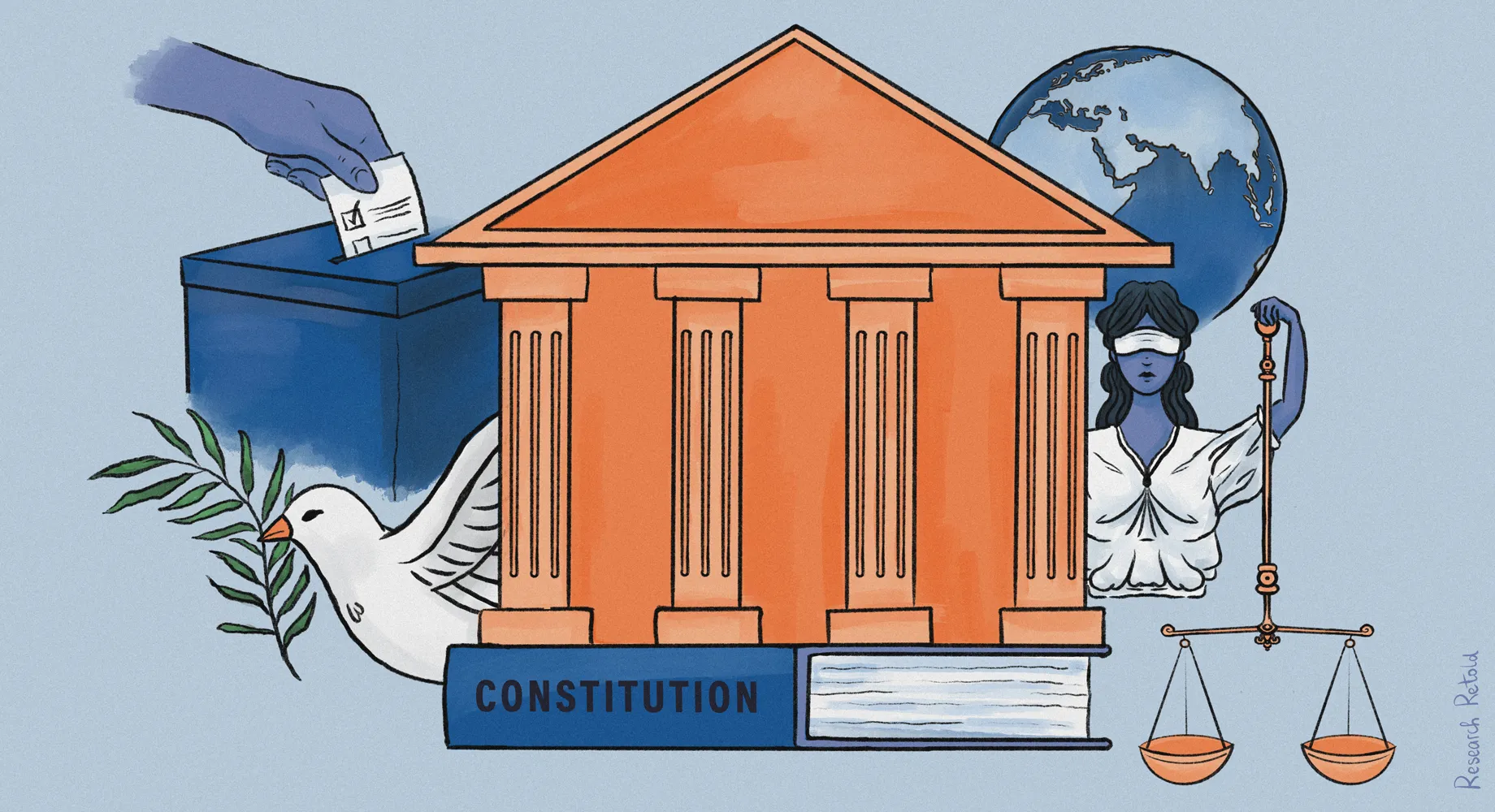
A constitution is the foundation of a democratic state. It defines how power is distributed, how leaders are held accountable, how rights are protected, and how public institutions serve the people. When constitutional systems are fair, inclusive, and effective, they can promote peace, stability, equality, and trust in government. However, when constitutions are weak, exclusionary, or poorly implemented, they can deepen division, centralize power, and contribute to conflict.
For countries experiencing political transition, conflict, or democratic reform, constitutional governance is especially important. Constitutional change is not merely a legal exercise—it is a national process of redefining the relationship between the people and the state. It offers an opportunity to build a new social contract based on justice, representation, and peaceful coexistence among diverse communities.
Why Constitutional Governance Matters
1. Rule of Law for the Public Good
Elections determine who governs, but constitutions and laws determine how they must govern. Without strong legal safeguards, those in power may misuse authority for personal or political benefit, weaken institutions, violate rights, and marginalize vulnerable communities. A robust rule of law ensures that public authority is exercised for the benefit of all citizens, not only a few.
2. Constitutional Reform for Peace and Democratic Transition
Constitutions often lie at the center of transitions from war to peace, dictatorship to democracy, or crisis to stability. They establish how power is shared, how minorities are protected, and how disputes are resolved peacefully. If managed inclusively and responsibly, constitutional reform can become a pathway toward national reconciliation and democratic renewal.
3. Institutional Safeguards for Democratic Resilience
Democracy requires institutions that can withstand abuse of power. Independent courts, free elections, legislative oversight, decentralized governance, and constitutional checks and balances help protect democracy from authoritarian backsliding. Strong institutions ensure that political majorities cannot easily undermine the rights of others or dismantle democratic systems from within.
4. Inclusion and National Ownership
Successful constitutional reform must belong to the people. It should include citizens, civil society, ethnic communities, women, youth, political actors, and other stakeholders in shaping the future of the country. Durable constitutions emerge when reforms reflect local realities, public participation, and broad national consensus rather than imposed solutions.
5. Evidence-Based and Comparative Learning
Countries can learn valuable lessons from the experiences of others. Comparative federal systems, peace agreements, rights protections, and democratic institutions offer practical guidance. Yet every constitution must be adapted to the country’s own history, diversity, and political context.
A strong constitution is more than a legal document—it is a framework for peace, justice, shared power, and accountable government. For countries seeking democratic transition and federal reform, constitutional governance must protect rights, include all communities, and strengthen institutions that citizens can trust. BDI believes that lasting peace and democracy can only be built through inclusive constitutional foundations and the rule of law.