Protection of Civilians in Ethiopia: A Call for Peace, Justice, and Federal Democracy
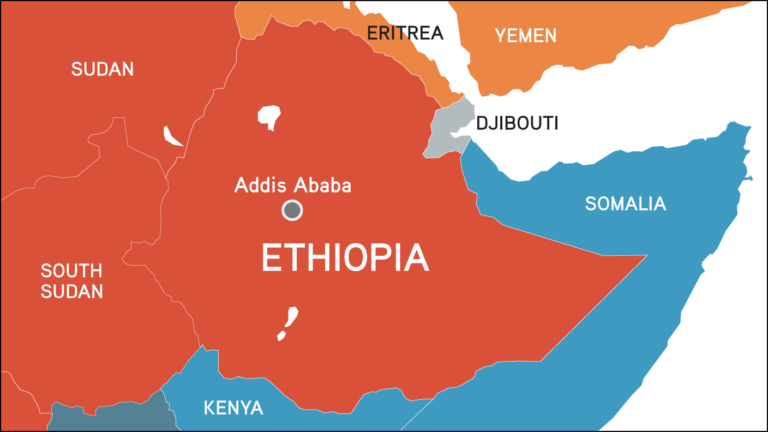
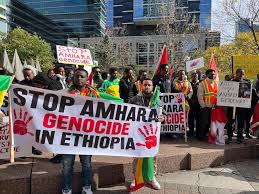
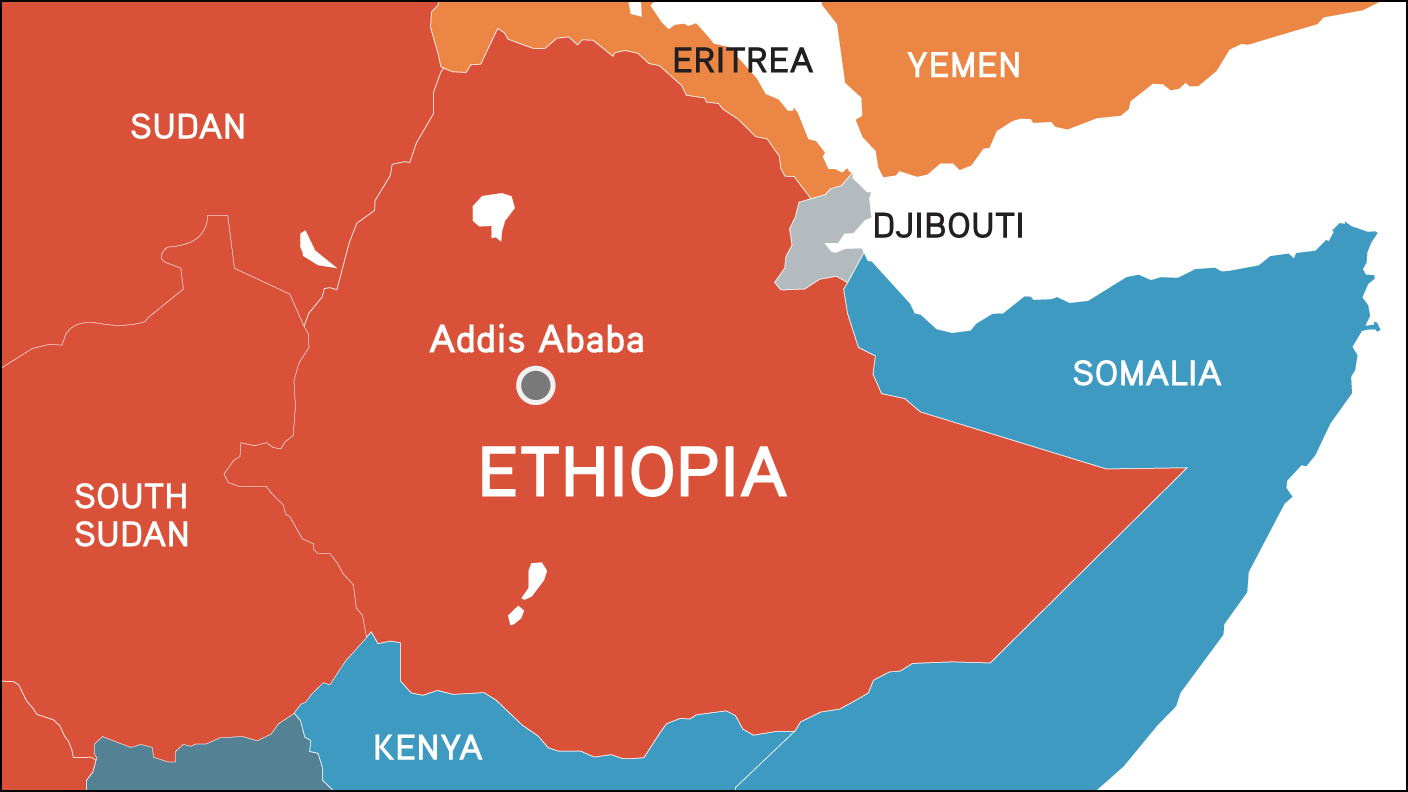
Ethiopia continues to face serious humanitarian and security challenges as armed conflicts, political tensions, and communal violence affect many parts of the country. Civilians in regions such as Amhara, Oromia, Tigray, and other conflict-affected areas have experienced displacement, insecurity, restrictions on movement, and limited access to food, healthcare, and education.
The protection of civilians is a fundamental responsibility of every government and all armed actors under national and international law. Civilians must never be targeted during conflict. Homes, schools, hospitals, places of worship, and humanitarian workers must be respected and protected at all times.
Sustainable peace in Ethiopia requires an immediate commitment to cease violence, guarantee humanitarian access, uphold human rights, and ensure accountability for abuses. The safety and dignity of internally displaced persons, women, children, and vulnerable communities must remain a national priority.
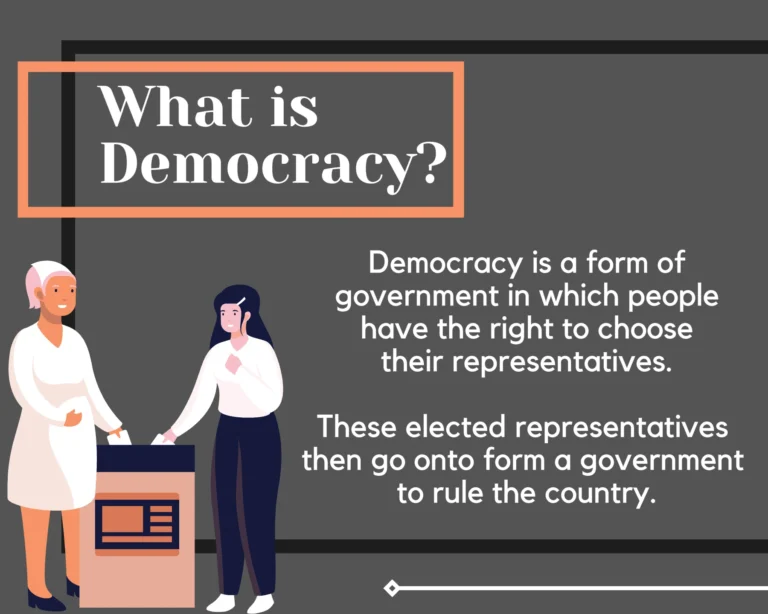
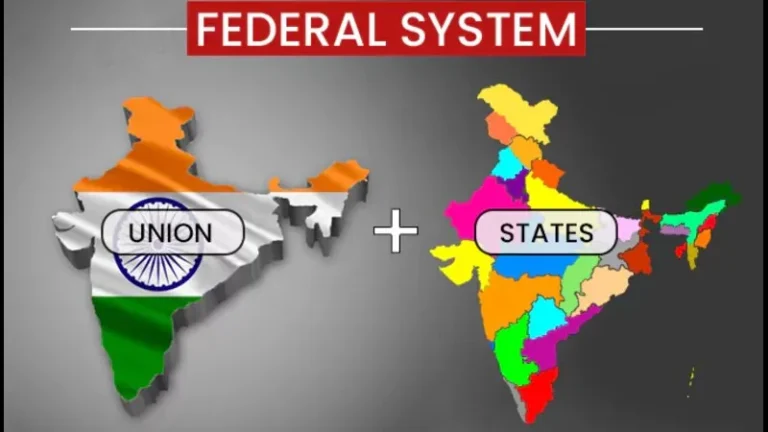
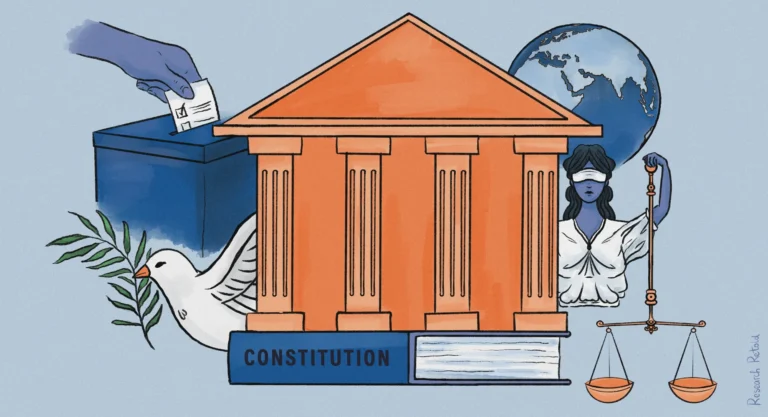
At the same time, long-term stability depends on strengthening democratic institutions, the rule of law, and inclusive political dialogue among all communities. A fair and functioning federal system that respects diversity, regional autonomy, equality, and peaceful coexistence is essential for national unity.
Civilian protection is not only a humanitarian duty—it is the foundation of peace, justice, reconciliation, and democratic progress. Ethiopia’s future will be stronger when every citizen can live in safety, freedom, and dignity.
Key Priorities for Civilian Protection in Ethiopia
- Immediate Protection of Civilian Lives
All parties must avoid attacks that harm civilians and civilian infrastructure. - Humanitarian Access
Food, medicine, shelter, and emergency relief must reach affected communities without obstruction. - Rule of Law and Accountability
Human rights abuses, unlawful killings, arbitrary arrests, and destruction of property must be independently investigated. - Protection of Displaced Communities
Internally displaced persons (IDPs) and refugees need safety, dignity, and support for voluntary return or resettlement. - Inclusive Political Dialogue
Sustainable peace requires dialogue among federal institutions, regional authorities, political groups, and civil society. - Strengthening Federal Democracy
A fair federal system that respects diversity, regional autonomy, equal rights, and democratic participation is essential for long-term stability.