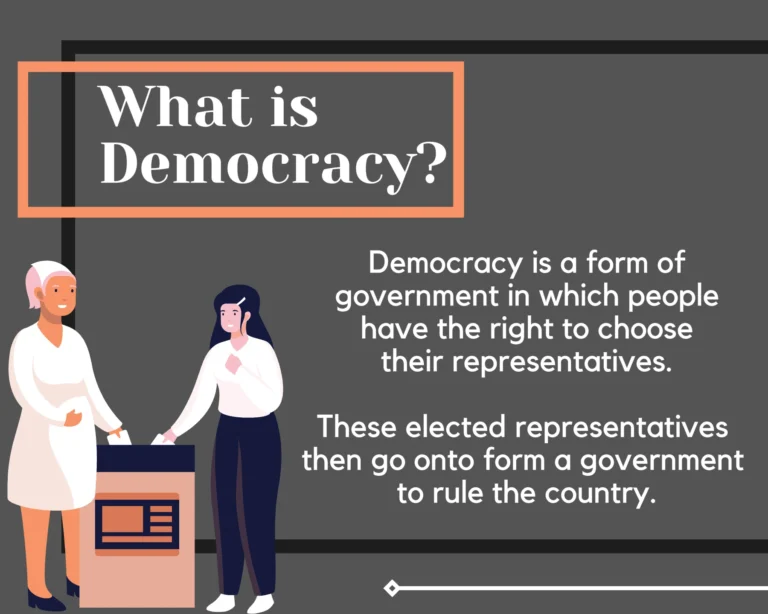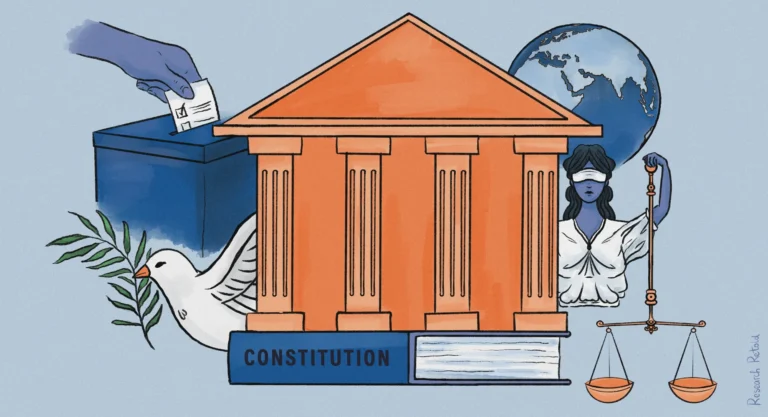
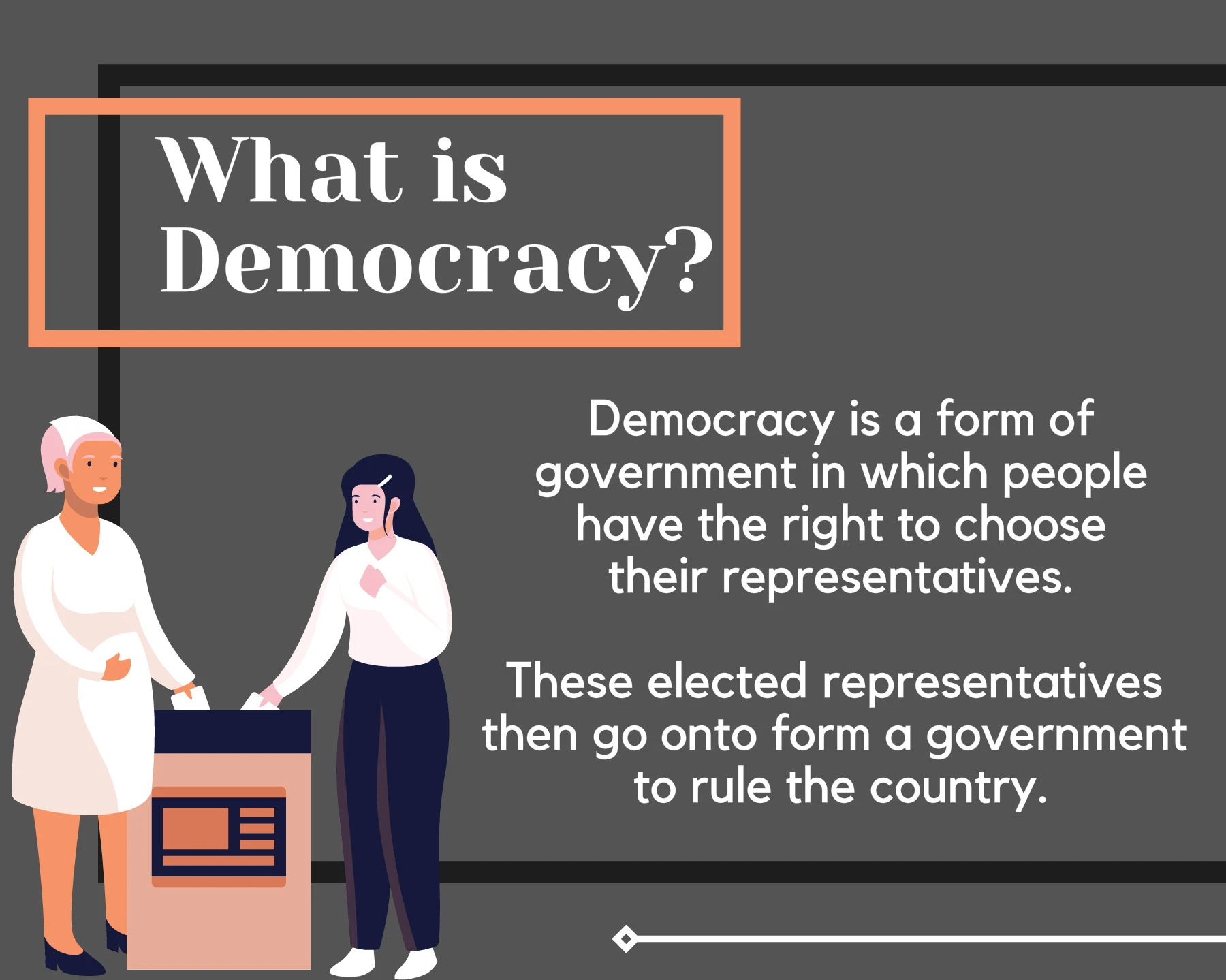
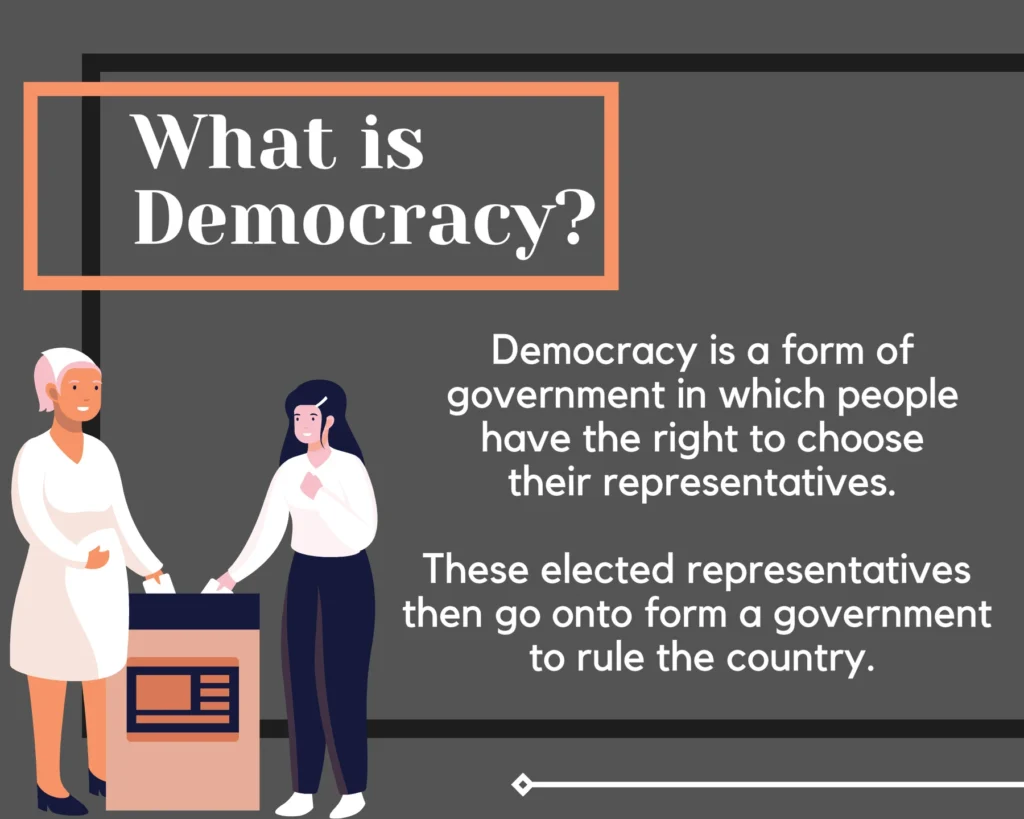
Federal democracy is a system of government where power is shared between a national government and regional or state governments. It combines democratic principles—such as free elections, rule of law, and citizen participation—with federal principles, where different regions have constitutionally protected powers.
Many successful countries use federal democracy because it helps manage diversity, protects local identities, and prevents excessive centralization of power.
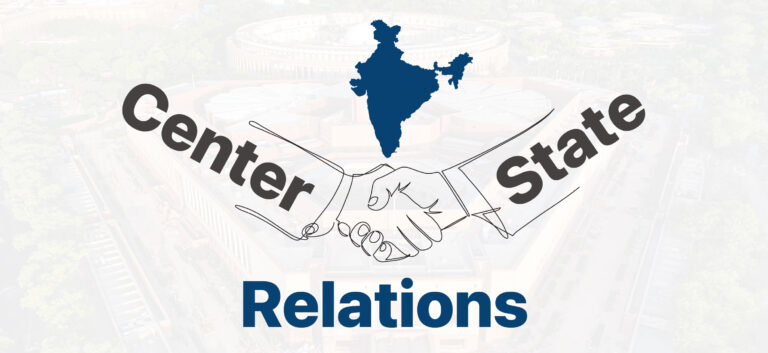
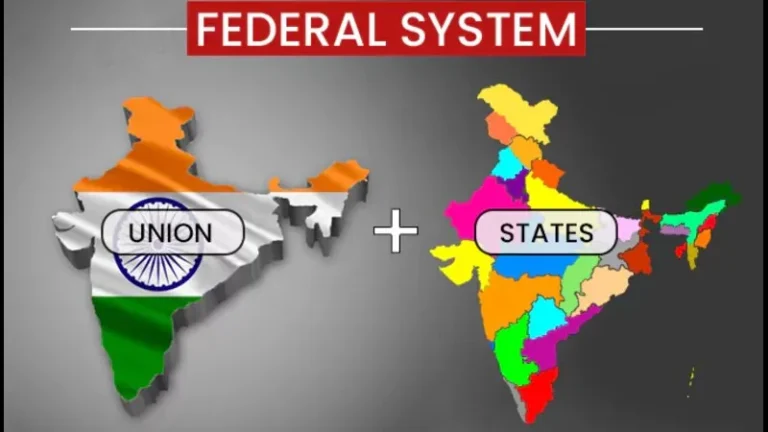
India is one of the world’s largest federal democracies. Power is divided between the Union government and state governments. States manage many local matters such as education, police, agriculture, and health, while the Union handles defense, foreign affairs, and national policy. This allows different languages, cultures, and communities to coexist within one country.
Germany is another example. Its states (Länder) have strong authority over education, policing, and regional development. Cooperation between national and state governments creates balance and stability.
Canada protects the rights of provinces, allowing regions such as Quebec to preserve language and culture while remaining part of one nation.
For Myanmar, federal democracy could offer a path toward peace, justice, and unity in diversity. Myanmar is home to many ethnic nationalities, languages, and histories. A federal democratic system could allow states and regions to govern local affairs, protect cultural rights, and share resources more fairly—while maintaining a united country.
Federal democracy does not divide a nation. It can strengthen a nation by building trust, inclusion, and equal partnership among all peoples.
Myanmar’s future peace may depend not on central control, but on shared power, mutual respect, and democratic participation.
A stronger Union can be built when every state, every community, and every citizen has a voice.