
India, the world’s largest democracy, follows a parliamentary system of government established by the Constitution of India. Parliament plays a central role in the country’s democratic governance by making laws, representing citizens and States, examining public policies, and exercising oversight over the functioning of the Union Government.
The Parliament of India consists of the President, the Lok Sabha, and the Rajya Sabha. The Lok Sabha represents the people, while the Rajya Sabha represents the States and Union Territories. Together, the two Houses provide an important constitutional forum for debate, legislation, representation, and discussion of matters of national importance.
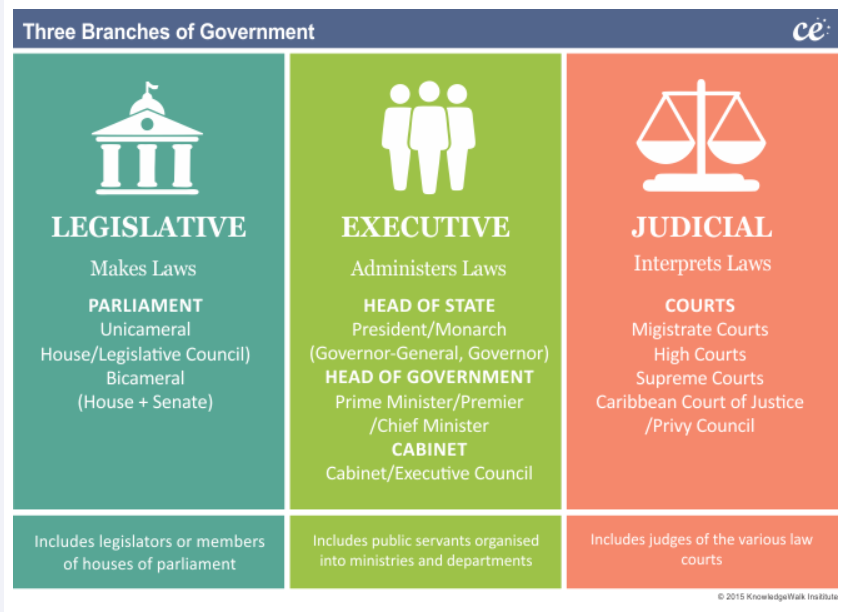
Parliament also contributes to government accountability and financial oversight through Question Hour, parliamentary debates, committees, and consideration of the Union Budget. These mechanisms allow elected representatives to examine government activities, raise public concerns, and participate in the process of national decision-making.
This article explores the role and functions of Parliament in India’s democratic system, including law-making, representation, financial control, parliamentary oversight, and democratic debate. It also highlights the importance of constitutional institutions in maintaining accountable and representative governance.